
Sponsorship Opportunity
🏸 Equipment Sponsorship
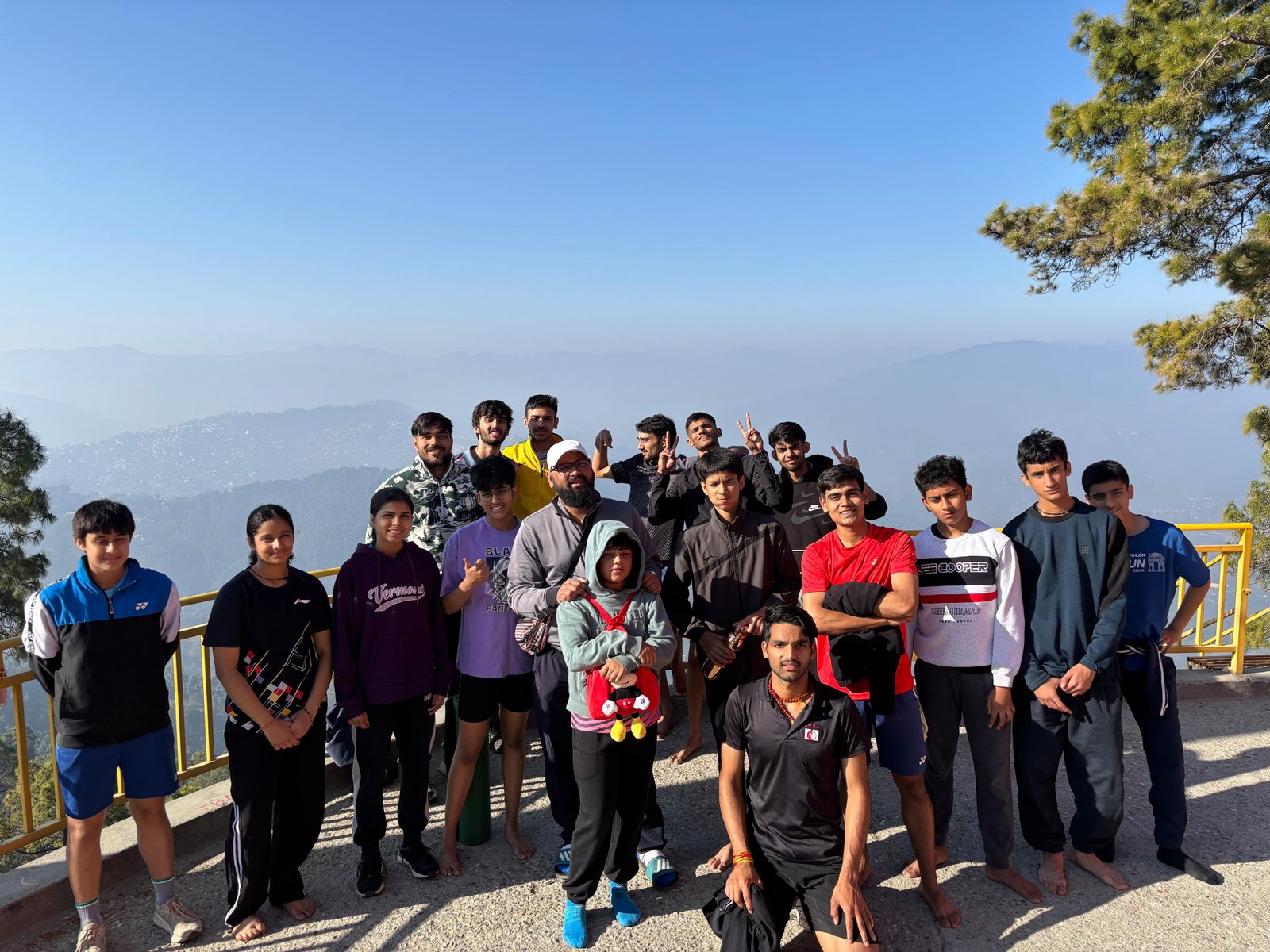
Provide rackets, shuttlecocks, and sports kits to young athletes.
Equipment sponsorship for NGOs involves securing in-kind donations or funding from corporate partners to procure necessary tools—such as laptops, machinery, vehicles, or office equipment—to enhance operational capacity. This type of sponsorship is often part of Corporate Social Responsibility (CSR) initiatives, allowing companies to support social causes while reducing e-waste and gaining visibility.
Marpu Foundation
Marpu Foundation
+4
Here is a guide to key elements for writing about or requesting equipment sponsorship for NGOs:
1. Key Components of an Equipment Proposal
Needs Assessment: Clearly explain what equipment is required and why. Instead of just asking for "computers," explain that "10 laptops are needed to train 50 underprivileged youth in digital literacy".
Impact Statement: Detail how the equipment will improve the NGO's efficiency or directly benefit the community. Focus on measurable outcomes (e.g., increased output, reduced costs, more beneficiaries served).
The "Why Us" Factor: Demonstrate your organization’s capability, accountability, and track record in managing resources.
Visibility for the Donor: Explain how the donor will be recognized, such as through logo placement on equipment, mentions in social media, or reports showcasing the equipment in use.
Testbook
Testbook
+5
2. Types of Equipment Sponsorship
In-Kind Donations: Directly receiving used or new items (e.g., computers, furniture, tools).
Financial Sponsorship: Funds specifically designated to purchase equipment.
Tech/Service Support: Partnerships where companies provide installation, maintenance, or training along with the hardware.
fundsforNGOs
fundsforNGOs
+4
3. Tips for Writing a Sponsorship Request Letter
Personalize the Letter: Address the specific company and align their corporate values with your project. Avoid generic templates.
Be Specific: Explicitly state what you need (e.g., "5 Dell laptops, 2 printers").
Highlight Mutual Benefit: Emphasize how this partnership improves their brand image and demonstrates their social impact.
Include a Call to Action: Clearly state the next steps, such as a request for a meeting or a follow-up call.
Testbook
Testbook
+4
4. Benefits of Equipment Sponsorship for NGOs
Reduced Operational Costs: Saves funds that would otherwise be spent on purchasing equipment, allowing more budget for direct programming.
Capacity Building: Modern equipment (e.g., software, IT tools) allows NGOs to operate more efficiently and professionally.
Sustainability: By using donated, refurbished equipment (like older laptops), NGOs can run for longer periods without high capital expenditures.
Equipment sponsorship for NGOs involves securing in-kind donations or funding from corporate partners to procure necessary tools—such as laptops, machinery, vehicles, or office equipment—to enhance operational capacity. This type of sponsorship is often part of Corporate Social Responsibility (CSR) initiatives, allowing companies to support social causes while reducing e-waste and gaining visibility.
Marpu Foundation
Marpu Foundation
+4
Here is a guide to key elements for writing about or requesting equipment sponsorship for NGOs:
1. Key Components of an Equipment Proposal
Needs Assessment: Clearly explain what equipment is required and why. Instead of just asking for "computers," explain that "10 laptops are needed to train 50 underprivileged youth in digital literacy".
Impact Statement: Detail how the equipment will improve the NGO's efficiency or directly benefit the community. Focus on measurable outcomes (e.g., increased output, reduced costs, more beneficiaries served).
The "Why Us" Factor: Demonstrate your organization’s capability, accountability, and track record in managing resources.
Visibility for the Donor: Explain how the donor will be recognized, such as through logo placement on equipment, mentions in social media, or reports showcasing the equipment in use.
Testbook
Testbook
+5
2. Types of Equipment Sponsorship
In-Kind Donations: Directly receiving used or new items (e.g., computers, furniture, tools).
Financial Sponsorship: Funds specifically designated to purchase equipment.
Tech/Service Support: Partnerships where companies provide installation, maintenance, or training along with the hardware.
fundsforNGOs
fundsforNGOs
+4
3. Tips for Writing a Sponsorship Request Letter
Personalize the Letter: Address the specific company and align their corporate values with your project. Avoid generic templates.
Be Specific: Explicitly state what you need (e.g., "5 Dell laptops, 2 printers").
Highlight Mutual Benefit: Emphasize how this partnership improves their brand image and demonstrates their social impact.
Include a Call to Action: Clearly state the next steps, such as a request for a meeting or a follow-up call.
Testbook
Testbook
+4
4. Benefits of Equipment Sponsorship for NGOs
Reduced Operational Costs: Saves funds that would otherwise be spent on purchasing equipment, allowing more budget for direct programming.
Capacity Building: Modern equipment (e.g., software, IT tools) allows NGOs to operate more efficiently and professionally.
Sustainability: By using donated, refurbished equipment (like older laptops), NGOs can run for longer periods without high capital expenditures.